
Singapore Weather vs Your Walls: Why the Right Paint Matters
Share This Blog
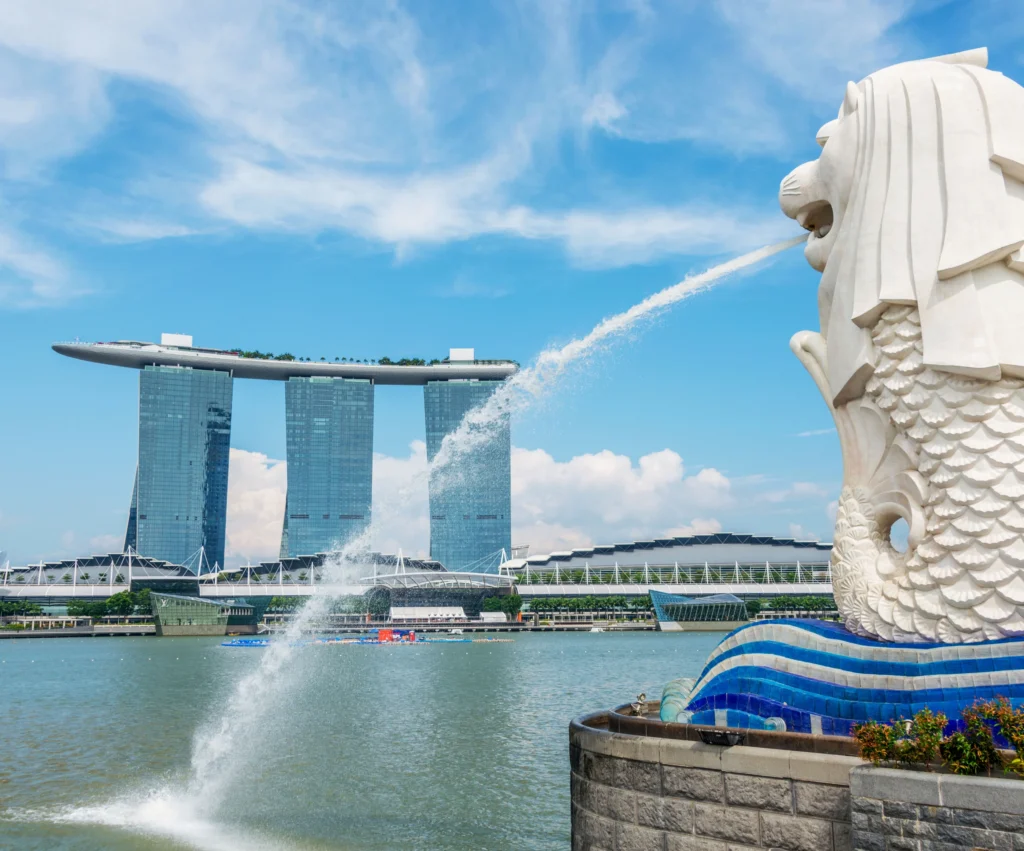
If you’ve ever noticed peeling paint, faded colours, or stubborn stains appearing on your walls sooner than expected, the culprit might not be poor workmanship—it could simply be Singapore’s weather.
Living in Singapore has its perks. We enjoy warm temperatures year-round, plenty of sunshine, and lush greenery. But the same tropical climate that makes outdoor living enjoyable can also be surprisingly tough on buildings and painted surfaces.
Many homeowners spend hours choosing the perfect paint colour but often overlook something equally important: whether the paint is suitable for Singapore’s climate.
The reality is that not all paints perform the same way. Choosing the right paint can mean the difference between walls that stay beautiful for years and walls that require repainting far sooner than expected.
Let’s take a closer look at why Singapore’s weather affects your walls and how the right paint can help protect your home.
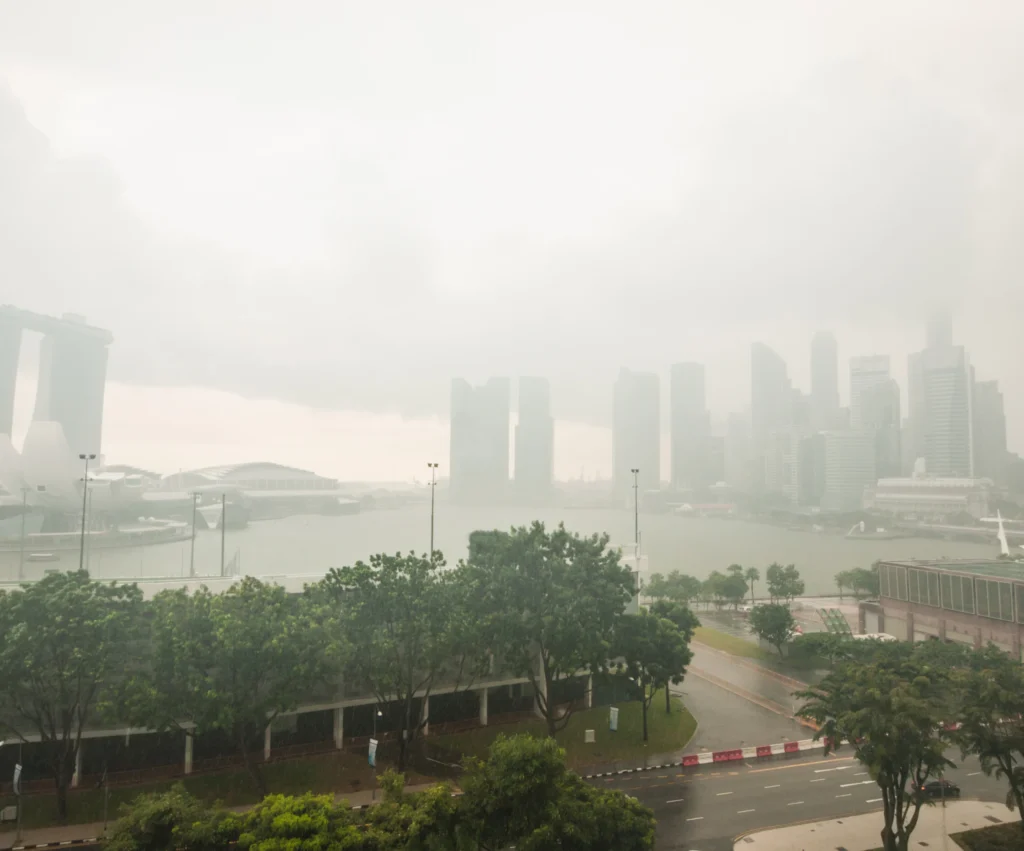
Singapore's Climate Is Tougher Than It Looks
Unlike countries that experience four seasons, Singapore maintains a relatively consistent climate throughout the year.
On paper, that sounds ideal.
However, Singapore’s combination of:
- High humidity
- Frequent rainfall
- Strong UV exposure
- Heat and moisture fluctuations
Creates challenging conditions for painted surfaces.
Exterior walls face the biggest challenge. They are constantly exposed to sunlight, rain, and environmental pollutants. Over time, these elements can weaken paint coatings and affect the appearance of your home.
Even interior walls are not completely safe. Bathrooms, kitchens, laundry areas, and poorly ventilated rooms can experience excess moisture, which may lead to mold growth, staining, or paint deterioration.
This is why selecting paint based solely on colour is rarely enough.
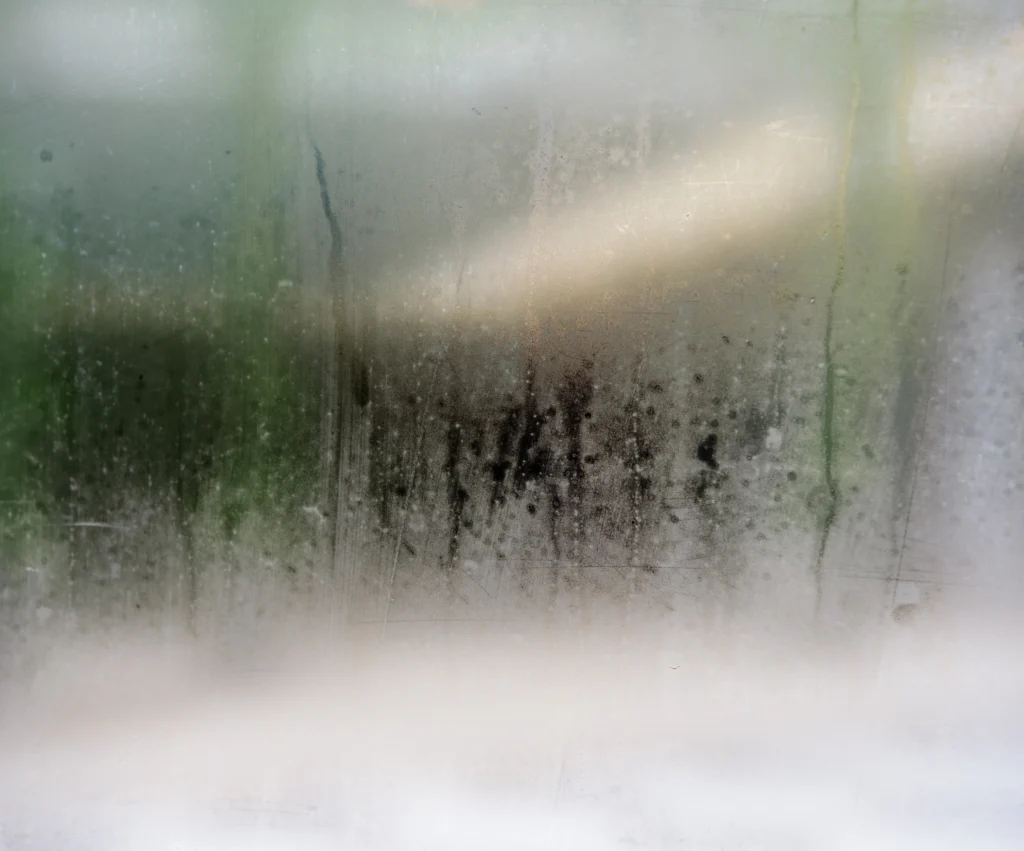
The Hidden Effects of Humidity on Paint
Singapore’s average humidity levels often exceed 80%.
While most people associate humidity with frizzy hair and sticky afternoons, it also affects painted surfaces in several ways.
When moisture becomes trapped within walls or paint films, you may start to notice:
- Paint bubbling
- Peeling surfaces
- Discolouration
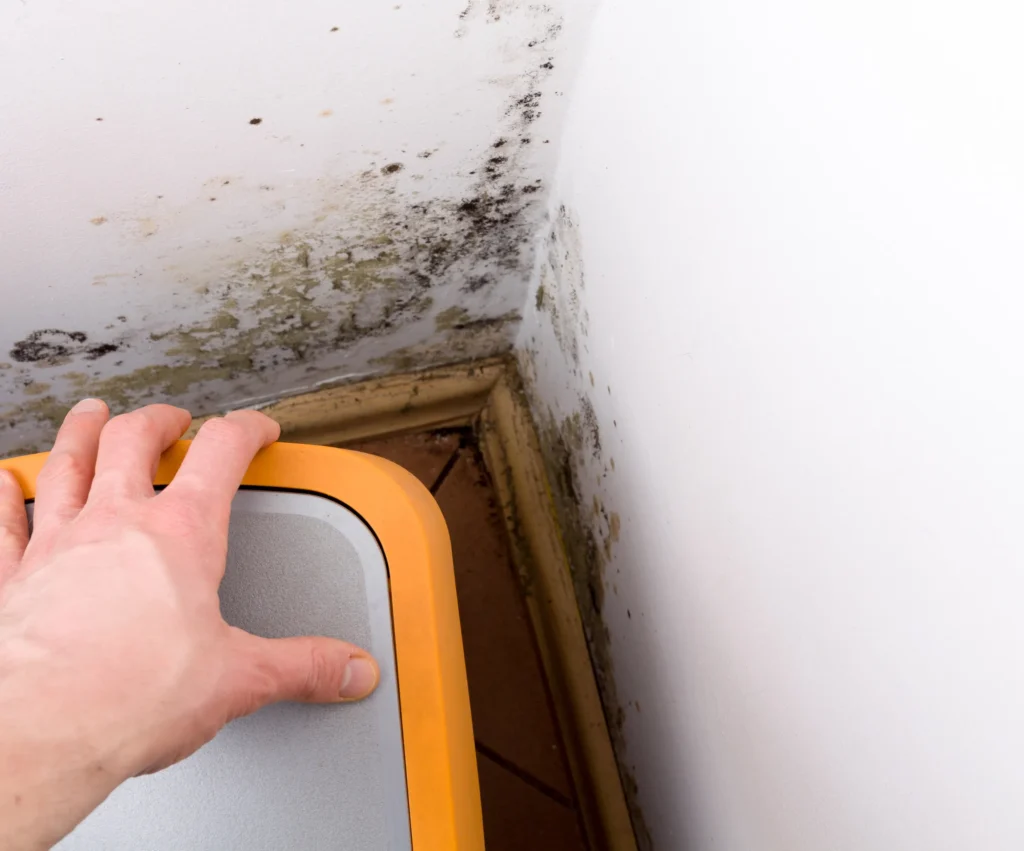
- Mold and mildew growth
- Musty odours
Bathrooms and kitchens are particularly vulnerable because of steam and constant exposure to moisture.
Quality paint systems are designed to resist these issues by creating a durable protective layer that helps reduce moisture penetration while maintaining a clean and attractive finish.

Sunlight Can Fade More Than Just Fabrics
Most homeowners think about rain when choosing exterior paint.
Ironically, sunlight can be just as damaging.
Singapore receives strong UV exposure throughout the year. Over time, ultraviolet rays can break down paint pigments and binders, causing colours to fade and surfaces to lose their original appearance.
This is especially noticeable with:
- Dark colours
- Bright accent shades
- Exterior feature walls
Without adequate UV resistance, a freshly painted wall can begin looking dull much sooner than expected.
Modern exterior paints are specifically formulated to retain colour vibrancy and withstand prolonged sun exposure, helping your property maintain its appearance for years.
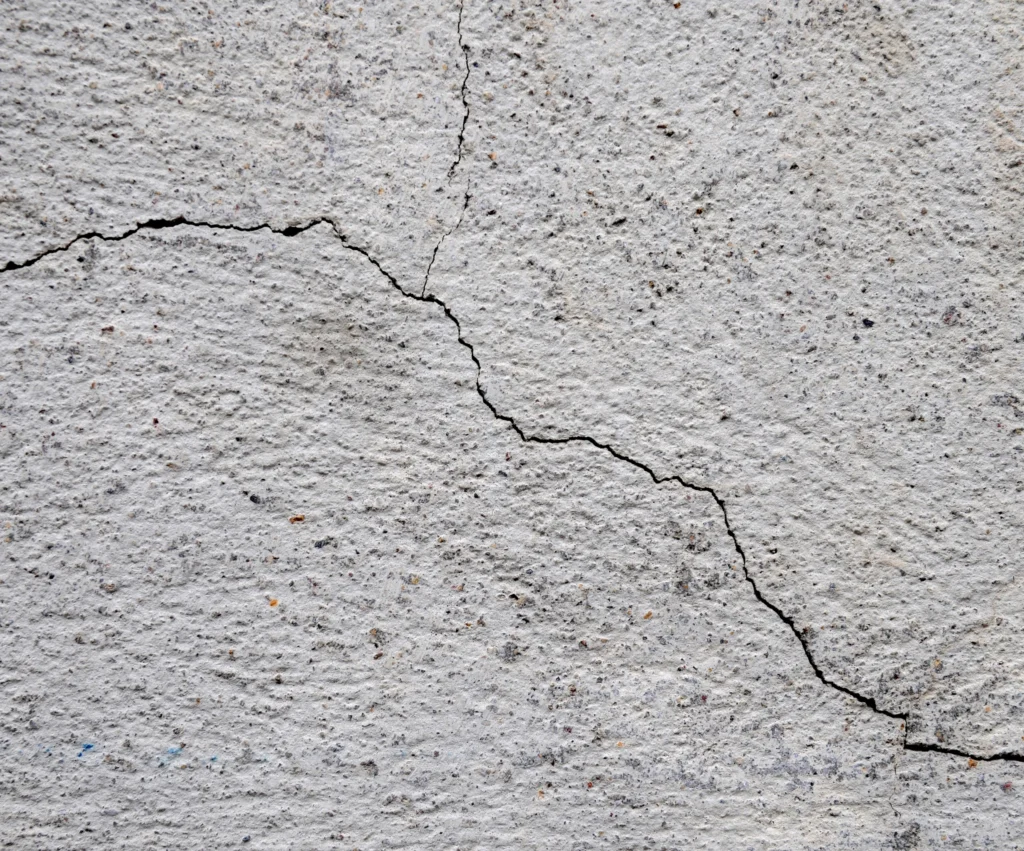
Rainwater Isn't Always the Problem
Rain itself isn’t necessarily harmful.
The issue arises when moisture repeatedly enters and exits wall surfaces.
Over time, this cycle can cause:
- Hairline cracks
- Surface deterioration
- Efflorescence (white powdery deposits)
- Premature paint failure
Properties located near coastal areas may face additional challenges due to salt-laden air, which can accelerate surface wear.
Using weather-resistant exterior paint helps create a stronger barrier against these environmental factors, reducing maintenance costs in the long run.
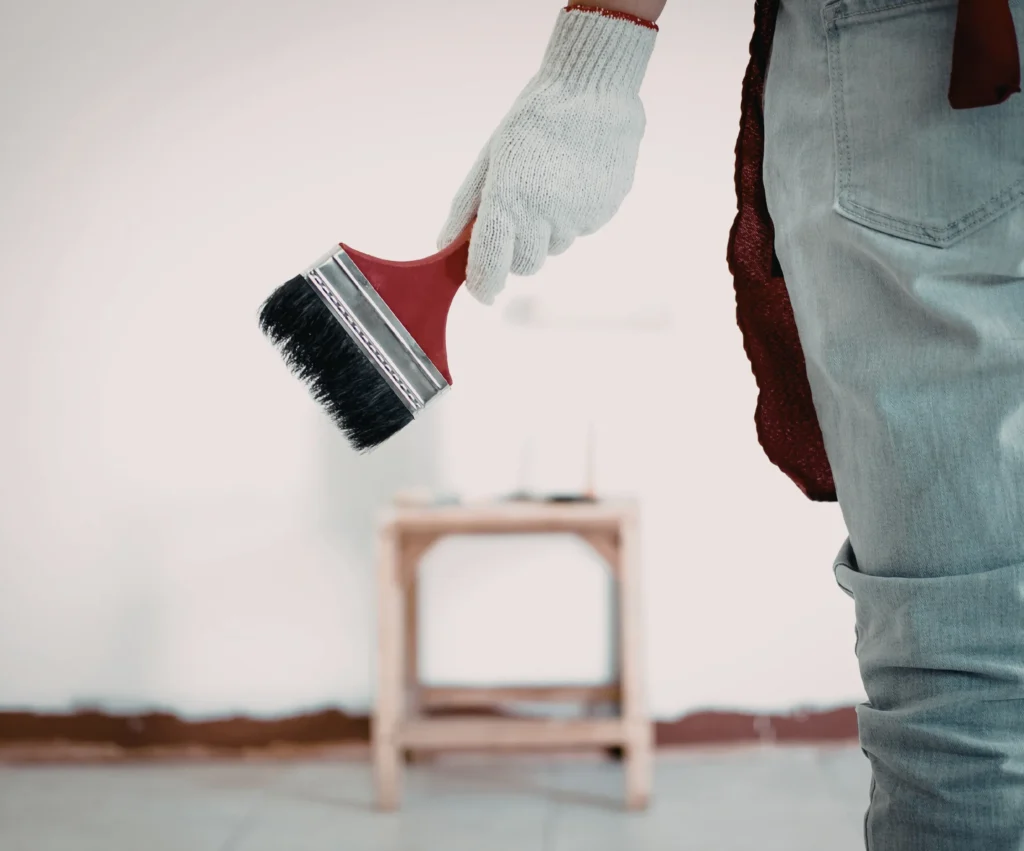
Why Interior Paint Matters Too
Many people assume weather only affects exterior walls.
In reality, interior spaces experience their own environmental challenges.
Think about how often your kitchen walls are exposed to:
- Cooking oils
- Heat
- Steam
- Food splashes
Or how frequently bathroom walls encounter:
- Condensation
- Humidity
- Water vapour
Without suitable paint, these surfaces may become difficult to clean or susceptible to mold growth.
Choosing washable, durable interior paint makes maintenance easier while helping your walls stay cleaner and fresher over time.
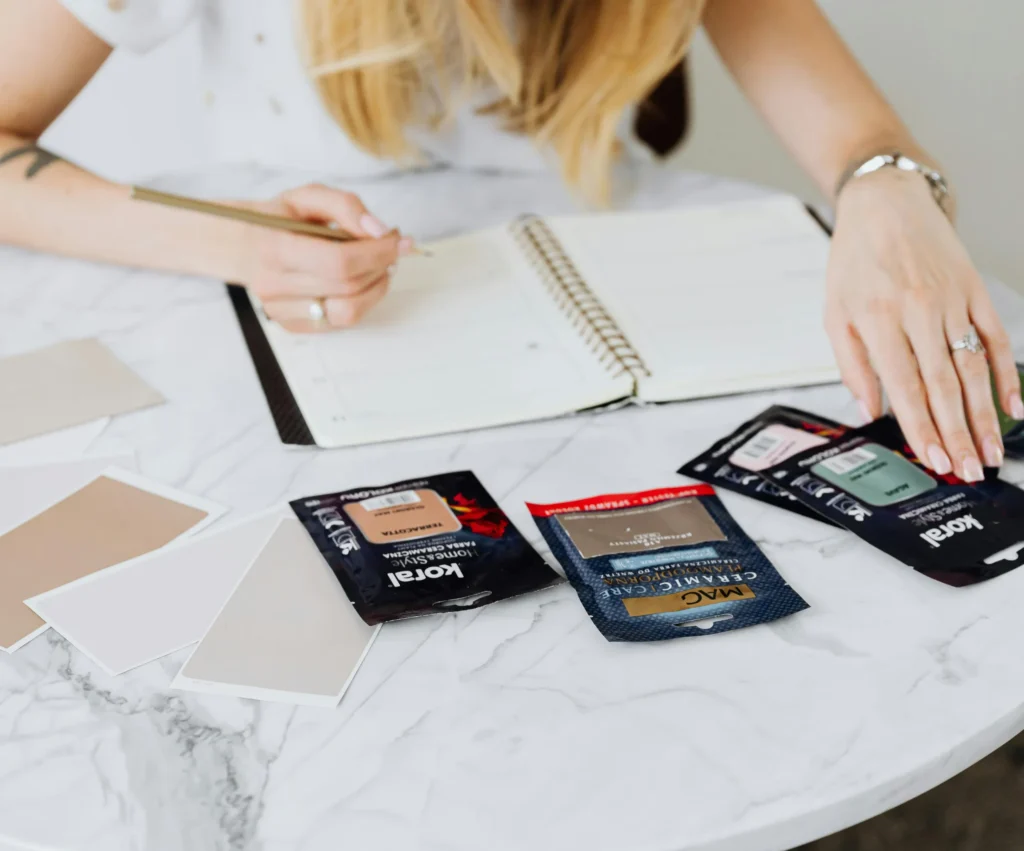
Choosing Paint Based on Performance, Not Just Colour
When selecting paint, colour is often the first thing people notice.
But performance should always be part of the conversation.
Before making a decision, consider questions like:
- Is the area indoors or outdoors?
- Will the surface be exposed to moisture?
- Does the room receive direct sunlight?
- Is easy cleaning important?
- Are mold resistance and durability priorities?
The answers will help determine which type of paint is most suitable for your project.
A beautiful colour is important, but long-term performance is what keeps your walls looking good year after year.
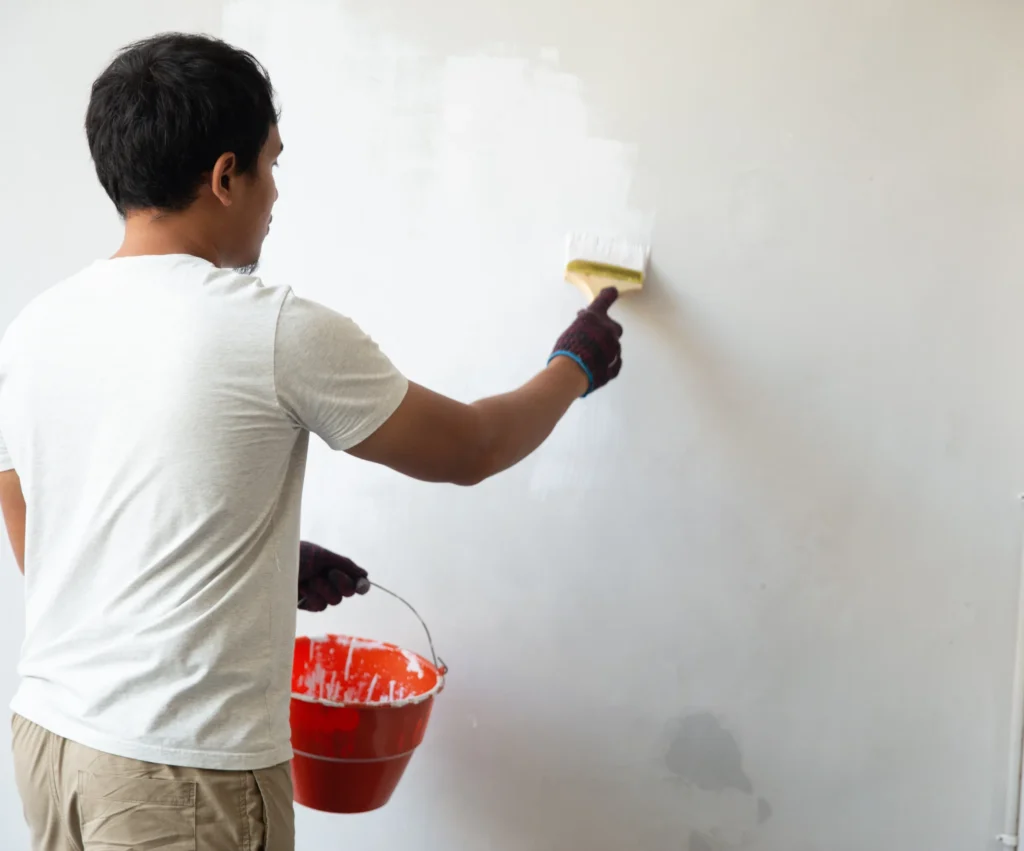
Signs It Might Be Time to Repaint
If you’re unsure whether your walls need attention, look for these common warning signs:
Exterior Walls
- Faded colours
- Chalky surfaces
- Peeling paint
- Hairline cracks
- Water stains
Interior Walls
- Mold spots
- Persistent stains
- Discolouration
- Flaking paint
- Difficult-to-clean surfaces
Addressing these issues early can prevent more extensive repairs later.
How Technology Has Improved Modern Paint
Paint technology has evolved significantly over the years.
Today’s premium paint solutions can offer:
- Enhanced UV resistance
- Better colour retention
- Improved washability
- Mold and fungus resistance
- Longer-lasting protection
- Lower maintenance requirements
This means homeowners can enjoy both aesthetic appeal and practical performance without compromising on either.
For Singapore’s climate, investing in quality paint often proves more cost-effective than frequent repainting.

Making Smarter Colour Choices for Singapore Homes
The climate can also influence how colours appear throughout the day.
Natural light changes constantly, affecting the way paint looks on your walls.
Before finalising a colour:
- Test samples on your wall
- View them during different times of the day
- Consider room lighting
- Match colours with existing furniture and flooring
Many homeowners are surprised by how different a colour can appear under morning sunlight compared to evening lighting.
Using colour visualisation tools can help make the selection process easier and more confident.
Final Thoughts
Singapore’s climate is beautiful, but it can be demanding on painted surfaces.
From humidity and rainfall to strong UV exposure, your walls face environmental challenges every single day. That’s why choosing the right paint isn’t just about aesthetics—it’s about protection, durability, and long-term value.
Whether you’re refreshing a living room, renovating a new home, or protecting an exterior façade, selecting high-quality paint designed for Singapore’s climate can make a significant difference.
Because at the end of the day, the best paint doesn’t just add colour to your walls—it helps them stay beautiful for years to come.

Teo Fei Guak - SMP Colour & Paint Specialist
Sharing practical house painting tips, smart techniques, and real-world industry insights.
Table of Contents
- Singapore's Climate Is Tougher Than It Looks
- The Hidden Effects of Humidity on Paint
- Sunlight Can Fade More Than Just Fabrics
- Rainwater Isn't Always the Problem
- Why Interior Paint Matters Too
- Choosing Paint Based on Performance, Not Just Colour
- Signs It Might Be Time to Repaint
- How Technology Has Improved Modern Paint
- Making Smarter Colour Choices for Singapore Homes
- Final Thoughts